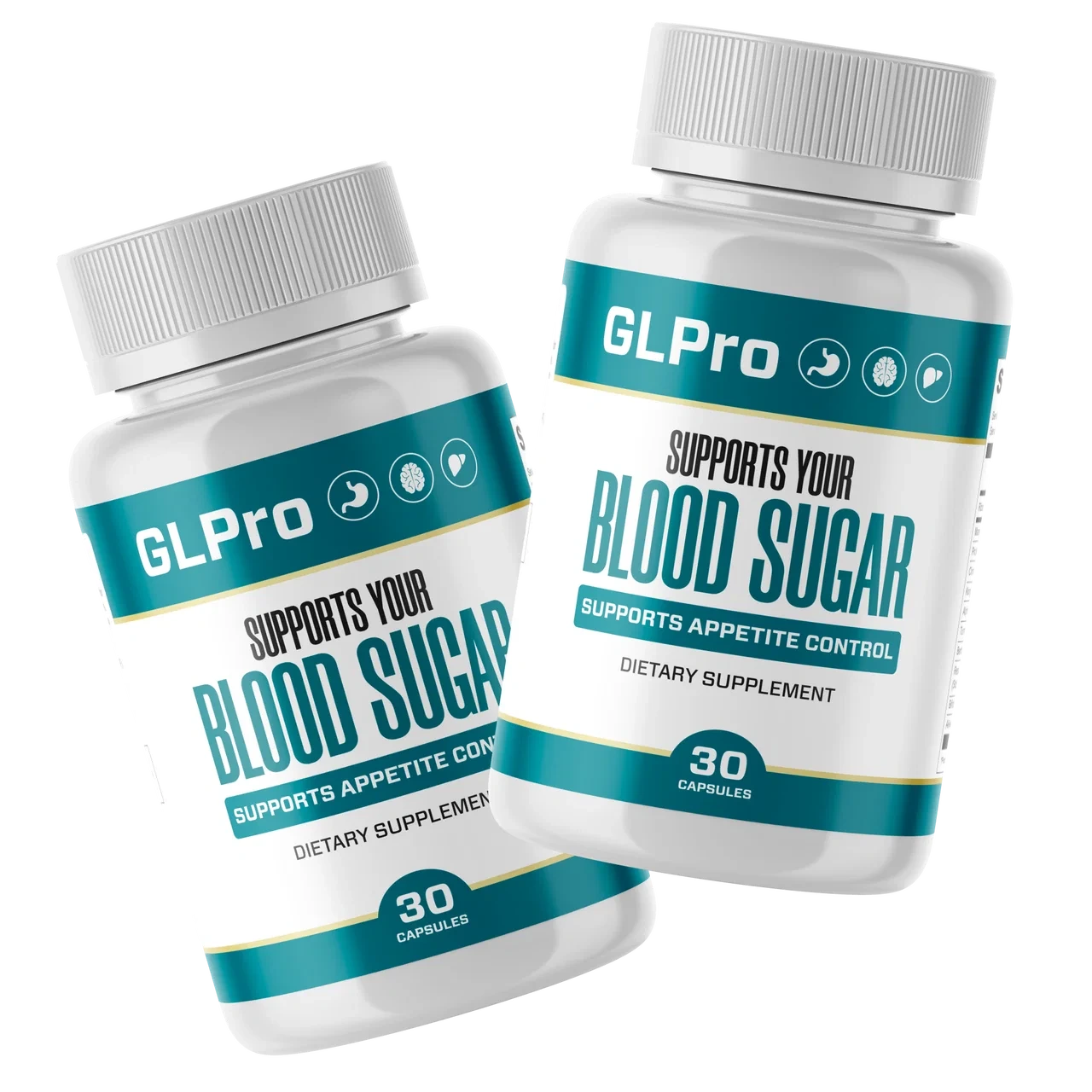
Blood Sugar Supplements: An Evidence-Aware Buyer’s Guide
Blood sugar supplements are marketed with similar promises, but the important differences are usually label transparency, ingredient doses, evidence quality, interactions and whether claims overreach.
Start with your medical context
If you have diabetes, prediabetes, unexplained high glucose, or use glucose-lowering medication, supplement shopping should not replace medical evaluation. Some supplement ingredients can add to medication effects and increase the risk of low blood sugar.
Ingredient evidence vs product evidence
A study on an ingredient is not a study on a finished commercial blend. Ask whether the exact formula has been tested, whether doses match research, and whether the studied population resembles the intended user.
Five label checks
- Complete Supplement Facts panel.
- Amounts per serving, not just ingredient names.
- Directions and warnings.
- Manufacturer/distributor identity.
- Lot/quality information where available.
Marketing red flags
Be cautious with claims that a supplement can replace medication, cure diabetes, mimic prescription GLP-1 drugs, guarantee rapid weight loss, or deliver dramatic glucose changes. Those are materially different claims from general nutritional support.